
Polymer concrete drainage channels with trench covers are widely used in residential, commercial, industrial, and infrastructure projects, thanks to their durability, corrosion resistance, and structural stability. A critical factor in selecting the right drainage system is choosing the appropriate load class—ranging from A15KN to F900KN— as it directly determines the channel’s ability to withstand traffic, equipment, and environmental stress. Selecting an incorrect load class can lead to premature damage, safety hazards, and costly replacements. This article guides you through the key considerations for choosing the right load class for polymer concrete drainage channels with trench covers, ensuring optimal performance and longevity.
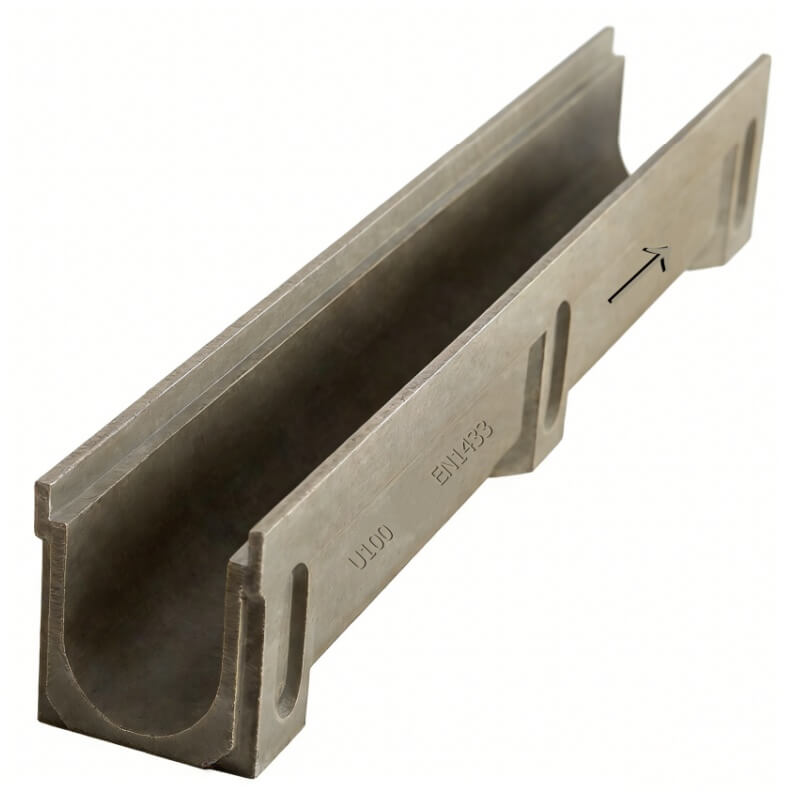
First, it is essential to understand the load class ratings and their definitions. The load classes (A15KN, B125, C250, D400, E600, F900KN) are standardized to indicate the maximum weight a trench cover and drainage channel can safely support. Each class corresponds to specific application scenarios, based on the type and intensity of loads they will encounter. Polymer concrete, known for its high strength-to-weight ratio and resistance to chemicals and moisture, provides a reliable base, but the load class of the trench cover is the primary determinant of its load-bearing capacity.
Load Class A15KN is the lightest rating, designed for pedestrian-only areas. Suitable for residential walkways, gardens, parks, and indoor spaces (such as shopping mall hallways or office lobbies), this class can withstand a maximum load of 15 kilonewtons (approximately 1.5 tons). It is ideal for areas with no vehicle traffic, where the primary load comes from foot traffic and light maintenance equipment. When selecting A15KN, ensure the installation area is strictly pedestrian-only to avoid overloading the channel and cover.
Load Class B125 (125KN, ~12.5 tons) is intended for light vehicle traffic. This class is suitable for areas such as residential driveways, small parking lots (for cars and light vans), and service roads with low traffic volume. It can withstand the weight of standard passenger cars, delivery vans, and light maintenance vehicles, making it a common choice for residential and light commercial projects. Note that B125 is not suitable for heavy trucks or high-traffic commercial areas.
Load Class C250 (250KN, ~25 tons) is designed for medium-duty traffic. It is ideal for commercial parking lots, retail store parking areas, and service roads with regular vehicle traffic (including small trucks and buses). This class can withstand the weight of larger vehicles, making it suitable for projects where medium-sized commercial vehicles are common. C250 is also a good choice for industrial areas with light to medium equipment traffic.
Load Class D400 (400KN, ~40 tons) is a heavy-duty rating, suitable for high-traffic commercial and industrial areas. It is designed to withstand the weight of heavy trucks, delivery vehicles, and industrial equipment. Common applications include industrial yards, loading docks, warehouse entrances, and main roads with heavy traffic. D400 is the most widely used heavy-duty class for commercial and industrial projects, offering a balance of strength and cost-effectiveness.
Load Class E600 (600KN, ~60 tons) and F900KN (900KN, ~90 tons) are ultra-heavy-duty ratings, intended for extreme load scenarios. E600 is suitable for heavy industrial areas, ports, and airports, where large trucks, forklifts, and heavy machinery are present. F900KN, the highest load class, is designed for the most demanding applications, such as industrial plants with heavy equipment, container yards, and highways. These classes require thicker, more robust trench covers and channels, ensuring they can withstand extreme weights without damage.
When choosing the load class, consider the following key factors: 1) Traffic Type: Identify whether the area will have pedestrians, light vehicles, heavy trucks, or industrial equipment. 2) Load Intensity: Estimate the maximum weight of vehicles or equipment that will pass over the channel. 3) Installation Location: Indoor vs. outdoor, residential vs. industrial, and high-traffic vs. low-traffic areas. 4) Long-Term Use: Consider future changes in traffic or load requirements to avoid under-sizing.
It is also important to note that polymer concrete drainage channels themselves or PP drainage channels are inherently strong, but the trench cover’s load class is the limiting factor. Ensure the cover is compatible with the channel and meets the required load class standard. Additionally, comply with local building codes and industry standards to ensure safety and compliance.
In conclusion, selecting the right load class for Resin concrete drainage channels or Plastic Trench channels with trench covers is critical for safety, durability, and cost-effectiveness. By matching the load class (A15KN to F900KN) to the application’s traffic and load requirements, you can ensure the drainage system performs reliably for years. Whether for pedestrian areas, residential driveways, commercial parking lots, or heavy industrial sites, choosing the correct load class is the key to a successful drainage installation.
Published by Fujian Winwin Group | Professional Drainage Channel Solutions Manufacturer
Core Keywords
#PolymerConcreteDrainageChannels #ResinConcreteDrainageChannels #PlasticTrenchChannels #PPDrainageChannels #DrainageChannels #TrenchCover #WinwinDrainageChannels #ChinaDrainageChannelManufacturer #ChinaDrainageChannelsFactory #ChinaDrainageChannlesSupplier


 Send Email
 WhatsApp